A free comprehensive online resource that supports your family with ongoing ABA therapy, ABA therapy can help: Increase language and communication skills; Improve attention, focus, social skills, memory, and academics.
Free Applied Behavior Analysis (ABA) therapy worksheets, flashcards and activities are a valuable resource for special education teachers, parents, ABA therapists, and families with children on the autism spectrum. By using these worksheets, parents can reinforce the skills and behaviors being targeted in therapy sessions, ensuring continuity and consistency in their child’s development. Moreover, for parents who may not have the means or access to formal ABA training, these free worksheets provide a valuable resources to learn ABA therapy techniques and principles.
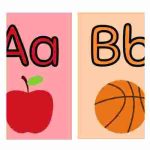
Printable Alphabet Letters Flashcards
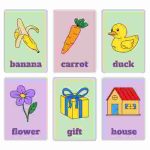
Printable Alphabet Words Flashcards
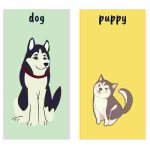
Printable Animals and Babies Flashcards
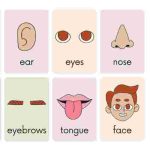
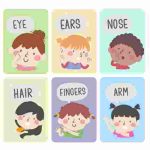
Printable Body Parts Head Flashcards
Printable Body Parts All Flashcards
Printable Calm Down Strategies Flashcards
Clothing Flashcards for Speech Therapy
Printable Colors Flashcards
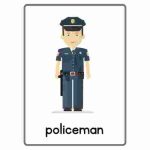
Community Helpers Flashcards
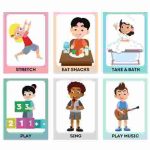
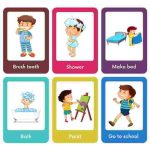
Daily Routine Visual Scheduling Flashcards
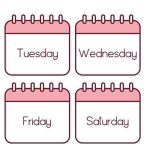
Days of the Week Flashcards
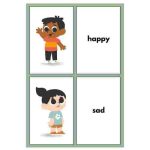
Emotions Flashcards – Mixed Kids
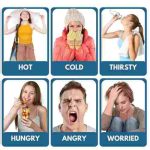
Emotions Flashcards – Adult
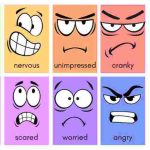
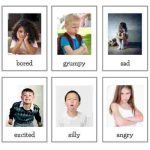
Facial Expression Flashcards
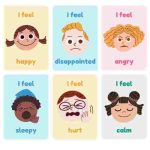
Feeling and Emotions Flashcards – Child
Feelings Flashcards for Speech Therapy
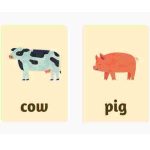
Farm Animal Flashcards
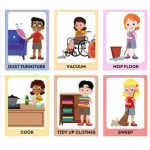
Household Chores Flashcards
Video – Learn About Stranger Safety
Video – Teach Coping with Change
Video – Teaching Waiting for Turn
Video – Social Skill Making Eye Contact
Video – Learn to Say Thank You
Honesty Teaching Lesson on Lying
Video – Teaching to Say Sorry
Teaching Online Safety for Kids
Video – Teaching to say “Please”
Teaching Importance of Sharing.
Teach your child keep calm
Video – Learn About Personal Space
Social Skills Activity Worksheets
Verbal Communication Skills Activity
Non Verbal Communication Skills Activity
Active Listening Social Skills Activity
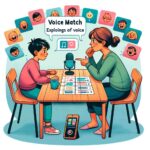
Tone of Voice Social Skills Activity
Making Eye Contact Social Skills Activity
Sharing & Taking Turn Social Skill Activity
Empathy Building Social Skill Activity
Cooperation Social Skills Activity
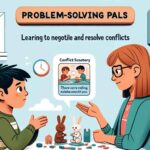
Problem Solving Social Skills Activity
Seeking and Offering Help Social Skills Activity
Initiating Conversation Social Skill Activity
Making Friends Social Skills Activity
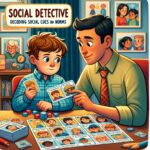
Understanding Social Cues and Norms Activity
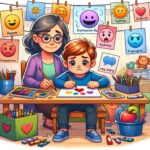
Expressing Emotion Appropriately Social Skills Activity
Managing Frustration and Anger Activity
Cope with Stress and Anxiety Activity
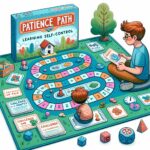
Self Control Social Skill Activity
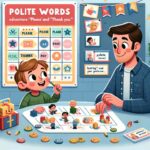
Saying Please and Thank you Activity
Behaviour Management
Behavioral management strategies can help children with autism spectrum disorder (ASD) become more self-aware of their actions so they gain a better understanding of the wider world.
Applied Behavioral Analysis (ABA) therapists use functional communication training to teach children on the autism spectrum to replace problem behaviors with socially acceptable ways of communicating their needs and desires.
ABA therapy can help prepare children to transition into a traditional classroom experience by increasing or improving desired behaviors that are needed to be ready for school.
Many children and adults on the autism spectrum need help in learning how to act in a community. Building up social skills with useful tools enhances opportunities to be part of the community.
Social skills contain many component skills that may be difficult for children with autism. Teaching these skills independently allows you to break down these complex concepts into much easier tasks.
Developing motor skills is a challenge for many children with autism. Fine motor skills involve small, controlled movements of the hand and wrist and enable us to complete daily activities in day-to-day life.
Children with Autism Spectrum Disorders and other developmental disabilities often lack skills that are prerequisites for success in school. Learning how to learn is the ability to adapt and focus, they will be able to able to learn from any teacher, peers, and different environments.
Self-help skills are those functional skills or tasks that build independence, self-esteem and increase the likelihood that a child will be successful across multiple environments. This involves personal daily hygiene, exercise, nutrition, dealing with an illness, and coping with stress.
Toilet training
Personal care
Food program
Cognitive Thinking
Cognition and Thinking Process programs begin to teach learners to put multiple pieces of information together to generate answers or use other processes to answer questions.
Problem solving
Quantitative concept
Deduction & Reasoning Skills
Logic and Sequencing
Free ABA Materials Flashcards, Worksheets and Resources. A free comprehensive online resource that supports your family with ongoing ABA therapy, ABA therapy can help: Increase language and communication skills; Improve attention, focus, social skills, memory, and academics
This website uses cookies to improve your experience. If you continue to use this site, you agree with it.